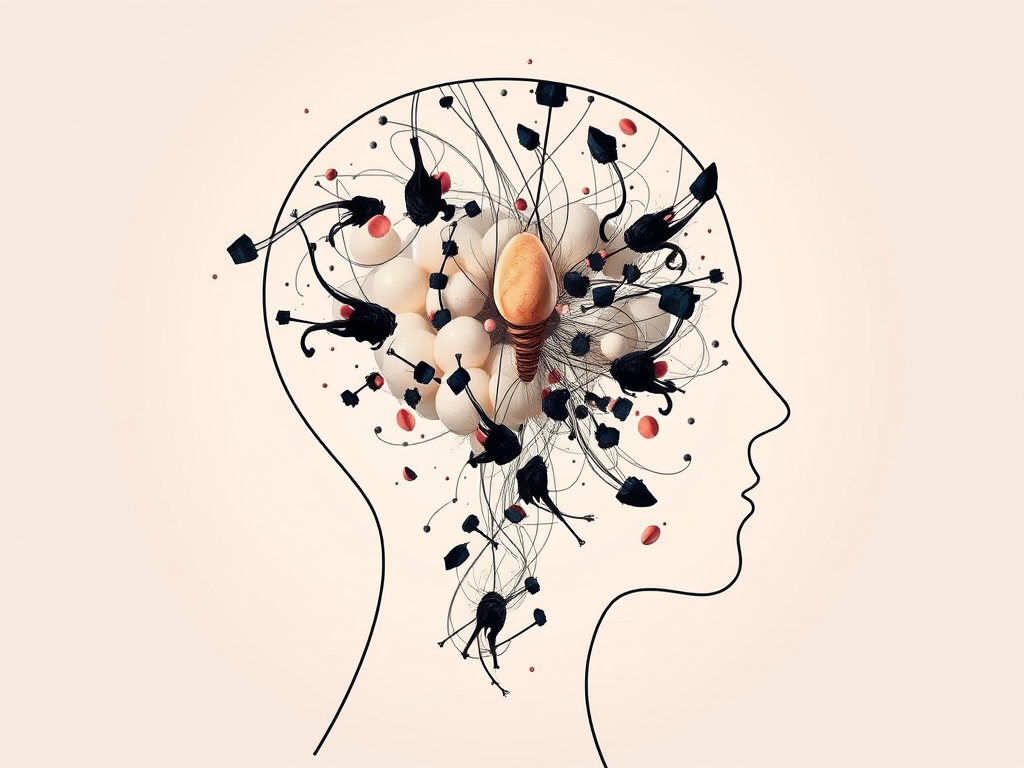
You get distracted easily. You forget things, zone out mid-conversation, or bounce between tasks like a browser with 37 tabs open. Some days you wonder if you’ve got ADHD. Other days, you think maybe you’re just burnt out or traumatised. Maybe it’s both.
This question comes up a lot in therapy, not just from clients, but internally, too. “What’s wrong with me?” “Why can’t I just focus?” “Is this ADHD or trauma or anxiety?”
Want to know the brutally honest answer: human minds are messy. Labels can help us find clarity, but they can also become traps. So instead of racing to find the “right” diagnosis, it can be more helpful to slow down and look at what’s actually happening in your experience.
ADHD and Trauma Can Look Incredibly Similar
ADHD and trauma can both share very common traits which can make it more difficult to diagnose. A few of these are listed below:
- Distractibility – Constantly switching focus, missing details, difficulty completing tasks.
- Emotional flooding – Big reactions to small triggers, difficulty regulating mood.
- Avoidance – Putting off tasks, especially ones that feel overwhelming or high-stakes.
- Restlessness – Feeling driven to move, talk, fidget, or “do something” constantly.
- Shame spirals – The inner critic who shows up every time you forget, mess up, or can’t keep up.
ADHD is typically neurodevelopmental, meaning that it is a different way of wiring that’s been there from early on. Trauma, on the other hand, is what happens when something overwhelms your capacity to cope, leaving a kind of imprint on the nervous system.
But both can lead to nervous system dysregulation, meaning you spend a lot of time either hyperactivated (tense, overthinking, on edge) or shut down (numb, checked out, overwhelmed). So you might look like someone with ADHD but actually be someone who’s never felt emotionally safe enough to focus.
Or, you might have ADHD and trauma. That’s actually quite common. A brain that’s impulsive or sensitive might be more vulnerable to shaming or chaotic environments growing up.
Why It Matters (and Why It Doesn’t)
The truth is, for many people, these patterns overlap. You don’t need a firm diagnosis to begin understanding yourself better. But it can help to notice what’s underneath the behaviours you judge most harshly.
- Do you avoid tasks because they’re boring, or because they bring up fear of failure?
- Do you interrupt people because you’re impulsive, or because you never felt heard as a kid?
- Are you forgetful because your working memory is weak, or because your body is constantly scanning for threat and there’s no room left to remember that meeting?
Getting curious about these questions opens the door to more compassion, and more effective strategies.
What You Can Actually Do About It
Whether you’re dealing with ADHD, trauma, or both, the way forward often starts with learning to work with your brain instead of against it.
Here’s what that can look like:
1. Regulate Before You Analyse
You can’t think clearly when your nervous system is in survival mode. Start with grounding techniques, breath work, movement, cold water, or just pausing and naming what you’re feeling.
2. Name the Pattern Without Shame
“I’m not lazy, I’m overwhelmed.”
“I’m not stupid, I’m dysregulated.”
Shame keeps the cycle going. Naming the truth, without blame, is what begins to loosen it.
3. Start Small, Stay Consistent
Whether it’s setting a 10-minute timer to do something you’ve been avoiding, or checking in with your body once a day, small shifts build trust. And trust rewires your brain.
4. Get Support That Gets You
Doing this alone can be scary and it could feel too overwhelming that it may actually hinder you. The right kind of therapy can help you untangle what’s ADHD, what’s trauma, and what’s just your uniquely human way of being in the world.
Final Thoughts
If you’ve been asking yourself, “Do I have ADHD or is this just trauma?”, you’re one of millions who have asked before. And the answer isn’t always clear-cut. What matters more is what you do with that question. Whether you chase a label or not, the goal is the same: to understand your patterns, work with your nervous system, and reconnect with who you are beneath all the noise.
If you have ADHD or trauma or both, please remember this: You are NOT broken despite believing so. You did not choose this, it happened to you. And you can cop and thrive through it.
If This Resonated
You don’t have to keep doing this alone. If you’re ready to stop spiraling and start untangling what’s underneath, therapy with me might be the space you’ve been needing.
Book a free call to see if we’re a good fit: Online Therapy Services at Ashby Counselling
Leave a Reply